
Why I Improvise
For much of my life, self-control has been a form of protection.
I learned early to observe before reacting, to contain emotion rather than display it, and to remain composed even in difficult circumstances. This ability has served me well. It has allowed me to function under pressure, to make decisions and to maintain my independence.
But control has a price.
There are emotions that cannot be understood by analysing them, and experiences that lose something essential the moment they are forced into words.
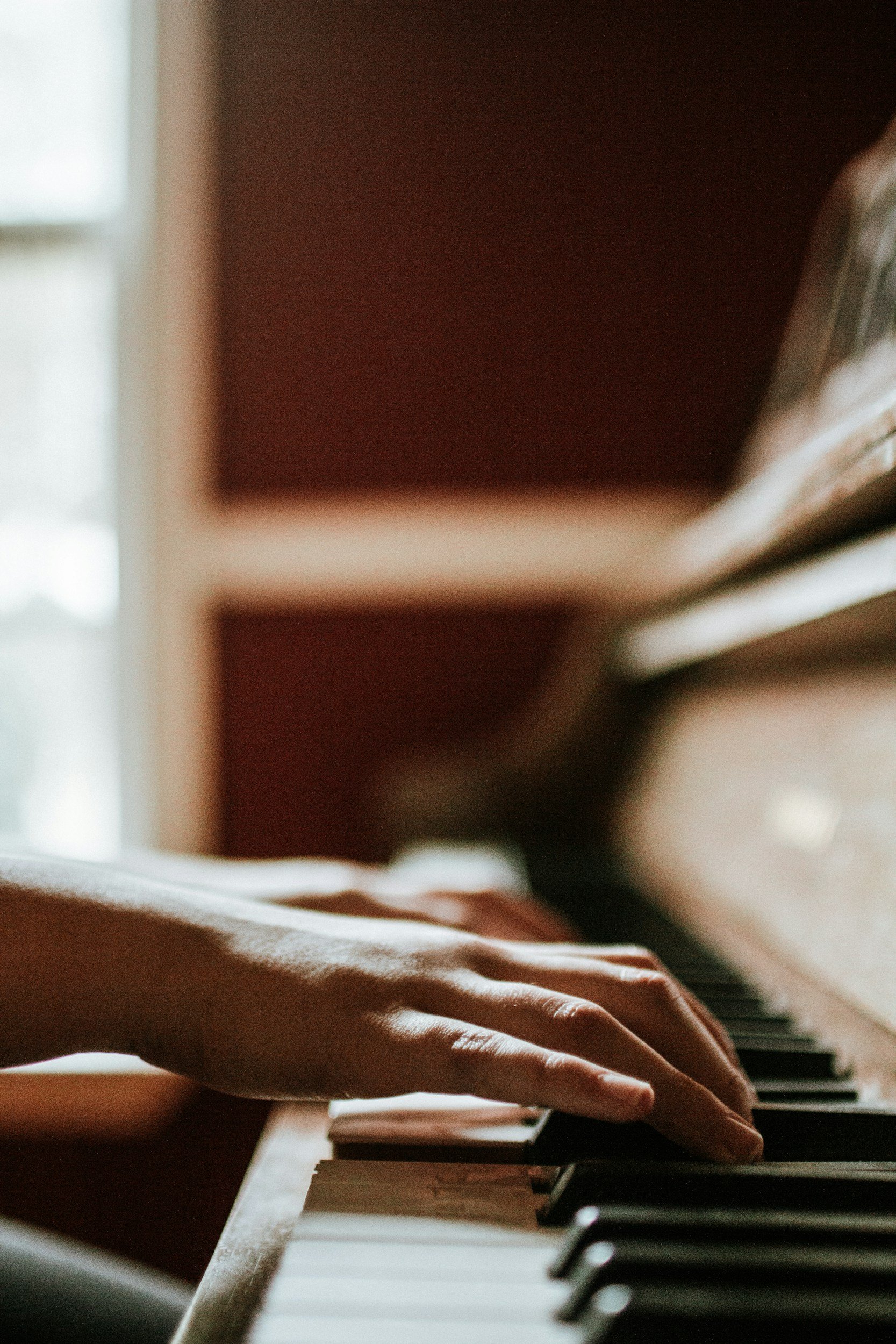
At the piano, I allow myself a different form of existence.
This is why I improvise.
I could interpret existing repertoire. I have spent much of my life playing Bach, Mozart, Beethoven, Chopin, Rachmaninoff and others. I could also compose music in advance, write it down and reproduce it later.
Improvisation asks something different of me.
When I begin an improvisation, I do not know where it will lead. There is no predetermined form, no fixed duration and no obligation to reproduce what has happened before. My musical experience remains present, but I relinquish control over the result.
For the duration of the improvisation, I do not have to explain what I feel. I do not have to justify it, moderate it or even name it.
I can simply express it.
Anger can exist beside tenderness. Strength beside vulnerability. Darkness beside beauty. Contradiction does not have to be resolved.
There is no shame in any of it.
And once something has been played, I accept it.
What is, is — and it stands.
This is also why my recorded improvisations are not compositions in the conventional sense. They are documents of moments that cannot be recreated. A later performance might resemble them, but it could never truly be the same, because I would no longer be the same person in the same moment.
Over time, I have come to understand these recordings as a musical autobiography. They preserve things that I might never have expressed in ordinary life.
Perhaps this is the paradox at the heart of my improvisation:
In everyday life, control has often protected my inner world. At the piano, relinquishing control allows that inner world to become audible.